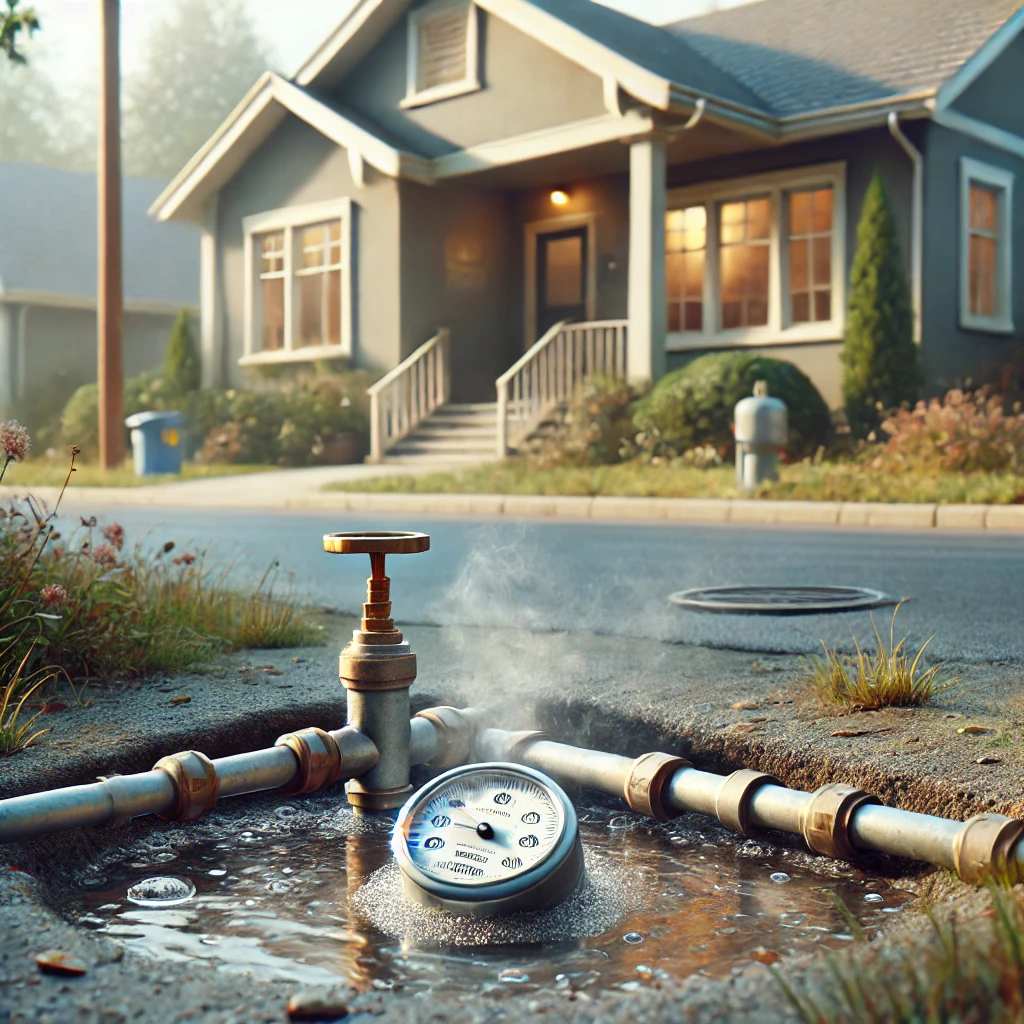
Gas Line Repair and Safety: When to Call a Licensed Pro
%22%2F%3E%3C%2Fpattern%3E%3C%2Fdefs%3E%3Crect%20width%3D%221200%22%20height%3D%22675%22%20fill%3D%22url(%23g)%22%2F%3E%3Crect%20width%3D%221200%22%20height%3D%22675%22%20fill%3D%22url(%23d)%22%2F%3E%3Ctext%20x%3D%22600%22%20y%3D%22330%22%20text-anchor%3D%22middle%22%20font-family%3D%22Georgia%2C%20'Times%20New%20Roman'%2C%20serif%22%20font-size%3D%22150%22%20fill%3D%22rgba(255%2C255%2C255%2C0.22)%22%20font-weight%3D%22700%22%3ECiT%3C%2Ftext%3E%3Ctext%20x%3D%22600%22%20y%3D%22410%22%20text-anchor%3D%22middle%22%20font-family%3D%22Helvetica%2C%20Arial%2C%20sans-serif%22%20font-size%3D%2234%22%20letter-spacing%3D%226%22%20fill%3D%22rgba(255%2C255%2C255%2C0.85)%22%3ECONTRACTOR%20IN%20TEXAS%3C%2Ftext%3E%3C%2Fsvg%3E)
Gas line repair is a job for a licensed professional, not a DIY project — the risks of fire, explosion, and carbon monoxide are too high. If you smell gas (a rotten-egg or sulfur odor), hear hissing near a line, or feel dizzy or nauseated, leave the house immediately, don't flip any switches, and call 911 and your gas utility from outside. For any non-emergency gas work — a new line, an appliance hookup, or a suspected slow leak — hire a licensed plumber or gas fitter who pulls the proper permit and passes inspection. The smartest first move is to get a few local quotes and compare them so you know the real price for your specific job.
Signs of a gas leak
Natural gas is naturally odorless, so utilities add a chemical (mercaptan) that smells like rotten eggs or sulfur. Learn the warning signs and act fast if you notice any of them:
- A rotten-egg, sulfur, or "skunky" smell indoors or near your meter
- A hissing or whistling sound near a gas line, appliance, or the meter
- Dead or discolored patches of grass or plants over a buried outdoor line
- Dirt or dust blowing from a spot in the ground with no wind
- Bubbles in standing water near a gas line
- Physical symptoms like headaches, dizziness, nausea, or fatigue that ease when you leave the house
- An unusually high gas bill with no change in usage
If you suspect a leak, don't try to find or fix it yourself. Get everyone out, leave doors open if you can do so quickly, and call 911 and your utility from a safe distance. Don't light matches, use light switches, or start your car in an attached garage.
What you should never DIY
Homeowners can safely handle small maintenance around gas appliances — like keeping vents clear or replacing a battery in a gas detector. But the gas piping itself is off-limits without training and a license. Never attempt to:
- Repair, splice, or cap a gas line
- Run new pipe or extend a line to a new appliance
- Reconnect or move a gas range, dryer, water heater, or furnace
- Reset or relight equipment after a suspected leak before a pro inspects it
Improperly joined pipe, wrong fittings, or an undetected leak can lead to fire, explosion, or carbon monoxide poisoning. A licensed pro pressure-tests the line and confirms it's tight before restoring service — a step that's hard to do safely without the right tools and experience.
Permits and inspections
Most Texas cities require a permit for new gas lines, line extensions, and many repairs, followed by an inspection before the gas is turned back on. Permitting rules vary by city and county, so a reputable contractor will know your local requirements and handle the paperwork. Pulling a permit protects you: it means the work is inspected against code, which matters for safety and when you sell your home. Be cautious of anyone who suggests skipping the permit to save time or money.
Texas has its own wrinkles worth mentioning. Expansive clay soils common across the state can shift and stress buried lines over time, and older homes may still have aging steel pipe that's more prone to corrosion. These are good reasons to have a pro inspect rather than guess.
Typical gas line repair costs
Costs vary widely by the length and location of the line, how accessible it is, your home's age, permit fees, and your region of Texas. Treat these as realistic ranges, not fixed prices:
- Minor leak repair or a single fitting: often a few hundred dollars, depending on how easy the spot is to reach.
- Appliance hookup or short line run (for a range, dryer, or outdoor grill): commonly a few hundred to around a thousand dollars.
- New or replacement gas line (longer runs, trenching, or lines under a slab): frequently anywhere from about $1,000 to several thousand dollars for larger or harder-to-reach jobs.
Underground and under-slab work, long distances, and extensive leak detection push costs toward the higher end. Because so much depends on your specific home, the only way to know your real number is to get a few written quotes and compare the scope, not just the bottom line.
How to hire the right pro
- Confirm each contractor's license and insurance yourself — ask for the license number and proof of liability coverage. We list local independent pros but don't verify credentials for you.
- Get an itemized, written quote that spells out the work, materials, permit, and any leak testing.
- Make sure they'll pull the permit and schedule the required inspection.
- Compare at least two or three quotes so you can spot an outlier — unusually low or high.
- Ask how they'll test the line for tightness before restoring gas.
You can post your gas line job on Contractor in Texas and receive competing quotes from local pros — free to post, with no obligation — so comparing is easy.
Frequently asked questions
Is a small gas leak an emergency?
Treat any gas smell as an emergency. Even a slow leak can build up. Leave the house, avoid anything that could spark, and call 911 and your utility from outside. Have a licensed pro locate and repair it before you use the gas again.
Do I need a permit to move a gas appliance?
Often, yes. Reconnecting or relocating a gas appliance usually involves the gas line, which most Texas cities require to be permitted and inspected. A licensed contractor will know your local rules and handle it.
How long does a gas line repair take?
A simple fitting or appliance hookup may take a few hours. New lines, trenching, or under-slab work can take a day or more, plus time to schedule the inspection. Your contractor should give you a timeline in the quote.
Ready to get it fixed safely? Post your gas line project on Contractor in Texas and compare free quotes from local pros — then confirm their license and insurance before you hire.
Official Texas & U.S. resources
Authoritative government sources for permits, licensing, safety, and standards related to this topic.
Ready to start your project?
Post your project for free and get competing offers from local Texas contractors.
Related articles