Is Solar Worth It in Texas? Costs, Savings, and Payback
%22%2F%3E%3C%2Fpattern%3E%3C%2Fdefs%3E%3Crect%20width%3D%221200%22%20height%3D%22675%22%20fill%3D%22url(%23g)%22%2F%3E%3Crect%20width%3D%221200%22%20height%3D%22675%22%20fill%3D%22url(%23d)%22%2F%3E%3Ctext%20x%3D%22600%22%20y%3D%22330%22%20text-anchor%3D%22middle%22%20font-family%3D%22Georgia%2C%20'Times%20New%20Roman'%2C%20serif%22%20font-size%3D%22150%22%20fill%3D%22rgba(255%2C255%2C255%2C0.22)%22%20font-weight%3D%22700%22%3ECiT%3C%2Ftext%3E%3Ctext%20x%3D%22600%22%20y%3D%22410%22%20text-anchor%3D%22middle%22%20font-family%3D%22Helvetica%2C%20Arial%2C%20sans-serif%22%20font-size%3D%2234%22%20letter-spacing%3D%226%22%20fill%3D%22rgba(255%2C255%2C255%2C0.85)%22%3ECONTRACTOR%20IN%20TEXAS%3C%2Ftext%3E%3C%2Fsvg%3E)
For many Texas homeowners, solar can be worth it — but it depends on how much electricity you use, your roof and shading, your utility's rates and buyback plan, and current incentives. Most residential systems land somewhere in the range of a roughly 7 to 15 year payback, after which the power is essentially free for the remaining life of the panels. The only way to know your real number is to compare a few detailed quotes against your actual electric bills. Costs vary widely by scope, home, and region, so treat every figure below as a ballpark, not a promise.
How much do solar panels cost in Texas?
A typical home solar system in Texas is often quoted somewhere in the range of $2.50 to $3.50 per watt before incentives, though your price can fall outside that depending on equipment, roof complexity, and your installer. Most homes need a system in the 5 kW to 12 kW range, which puts many complete installations somewhere in the rough range of $15,000 to $40,000 before any tax credit.
What moves the price:
- System size — bigger electric bills usually mean more panels.
- Equipment — premium panels, microinverters, or added monitoring cost more.
- Roof condition and layout — steep pitches, multiple planes, or a roof that needs replacing first add labor.
- Battery storage — a big add-on, covered below.
Because installers price jobs differently, two quotes for the same house can vary by thousands of dollars. Getting a few competing bids is the most reliable way to find a fair price.
The federal tax credit and other incentives
There has historically been a federal residential clean energy tax credit that lets eligible homeowners claim a percentage of their solar system cost against their federal taxes. The rules, percentage, and expiration dates change over time, so do not assume a specific number — verify the current federal credit and any eligibility requirements with the IRS or a tax professional before you count on it.
Texas has no statewide solar rebate, but some cities, co-ops, and utilities offer local rebates, and Texas offers a property tax exemption on the added home value from solar in many cases. Ask each installer what local programs apply to your address, and confirm the details independently.
What about net metering and buyback in Texas?
This is where Texas is different from many states. Texas does not have a single statewide net metering rule. Instead, what you earn for the excess power your panels send back to the grid depends on your retail electricity provider or utility and the specific plan you're on.
Some providers offer solar "buyback" plans that credit you at or near the retail rate; others credit far less, or only up to your monthly usage. This buyback rate has a huge effect on payback, so before you sign anything:
- Check whether your area is deregulated and you can shop for a solar-friendly plan.
- Read the buyback terms carefully — credit rate, caps, and monthly rollover.
- Ask installers to base their savings estimate on your actual plan, not a generic average.
Should you add a battery?
Battery storage lets you keep the lights on during outages and store daytime solar for evening use — appealing in Texas after grid stress during extreme heat and winter storms. But batteries are a significant added cost, often adding thousands to tens of thousands of dollars depending on capacity.
A battery makes the most sense if backup power matters to you, or if your utility pays little for exported power (so storing it beats selling it cheap). If your main goal is a fast payback and your buyback rate is decent, a battery may lengthen the payback rather than shorten it. Ask each installer to quote your system with and without storage so you can compare.
Who benefits most from going solar in Texas?
Solar tends to pay off fastest for homeowners who:
- Have high electric bills, especially from summer air conditioning.
- Have a sturdy, south- or west-facing roof with little shade and years of life left.
- Are on — or can switch to — a plan with a fair solar buyback rate.
- Plan to stay in the home long enough to pass the payback point.
If your roof is heavily shaded, near the end of its life, or your electric use is already low, the math is weaker. Replacing an old roof first is usually smart, since removing and reinstalling panels later is expensive.
How to get a real price
Online calculators only estimate. To know whether solar is worth it for your home, gather 12 months of electric bills and get a few itemized quotes that show system size, equipment, total price, the incentives applied, the buyback plan assumed, and a payback estimate. Compare them side by side, and confirm each installer's license and insurance yourself — we list local independent pros but do not verify or license them for you.
Ready to compare? Post your solar project on Contractor in Texas and get competing quotes from local pros for free — no phone tag, no obligation — so you can see real numbers for your roof.
Frequently asked questions
How long do solar panels last?
Most quality panels are built to produce power for decades, and many carry long performance warranties. Output slowly declines over time, and inverters or batteries may need replacing sooner than the panels, so factor those into long-term savings.
Will solar eliminate my electric bill?
Not always. You typically stay connected to the grid, so you may still pay connection or delivery fees and buy power at night unless you have a battery. Well-sized systems can cut bills substantially, but "zero" depends on your usage and buyback plan.
Does solar add value to my Texas home?
Solar can add to a home's value, and Texas offers a property tax exemption on that added value in many cases. Actual impact varies by buyer and market, so treat resale value as a bonus, not the core reason to install.
Curious what solar would really cost and save for your home? Post your project on Contractor in Texas and compare free quotes from local installers before you decide.
Official Texas & U.S. resources
Authoritative government sources for permits, licensing, safety, and standards related to this topic.
Ready to start your project?
Post your project for free and get competing offers from local Texas contractors.
Related articles
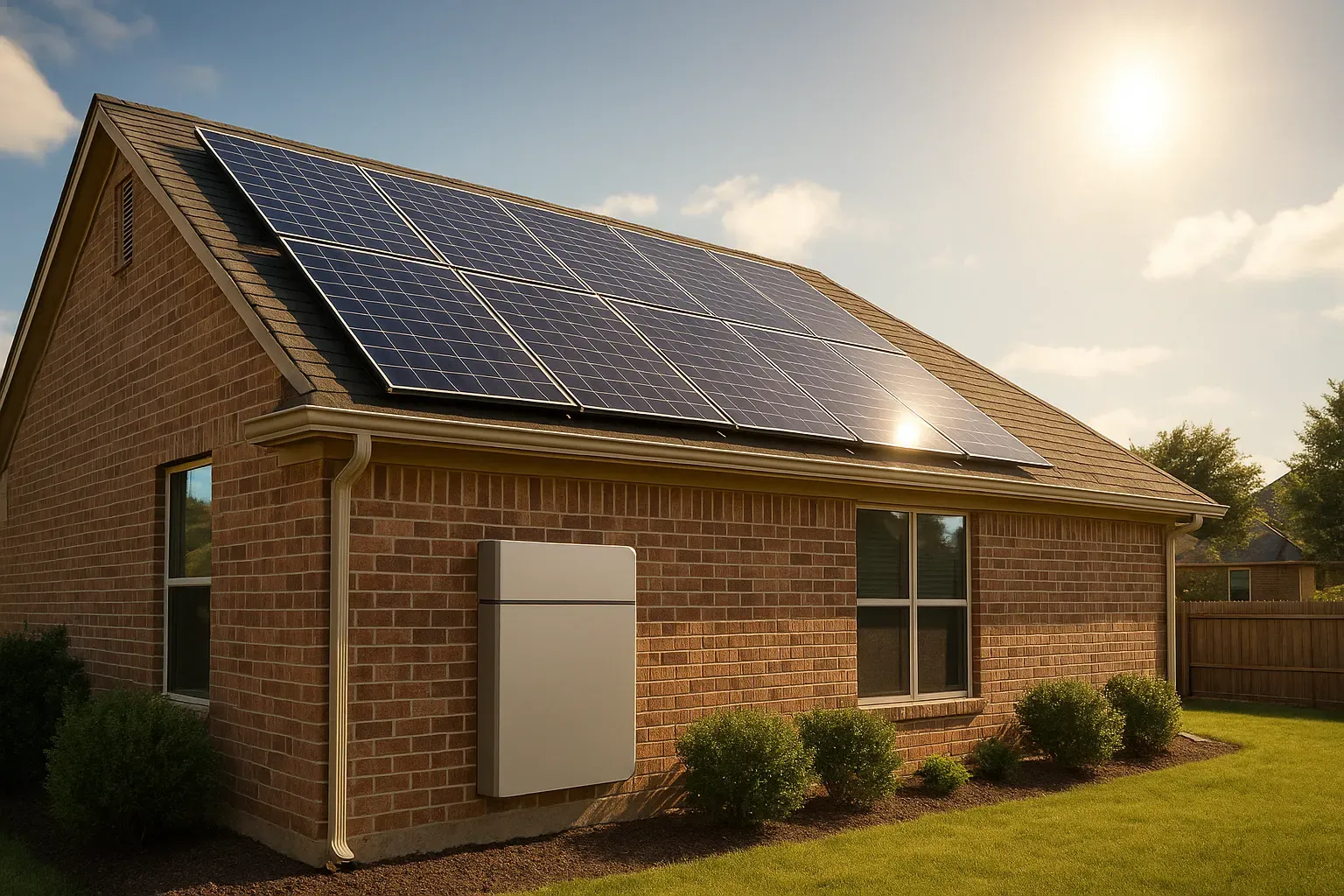
Texas vs. the Heat: How Home Solar Panels and Battery Backups Saved the Day
10 min read
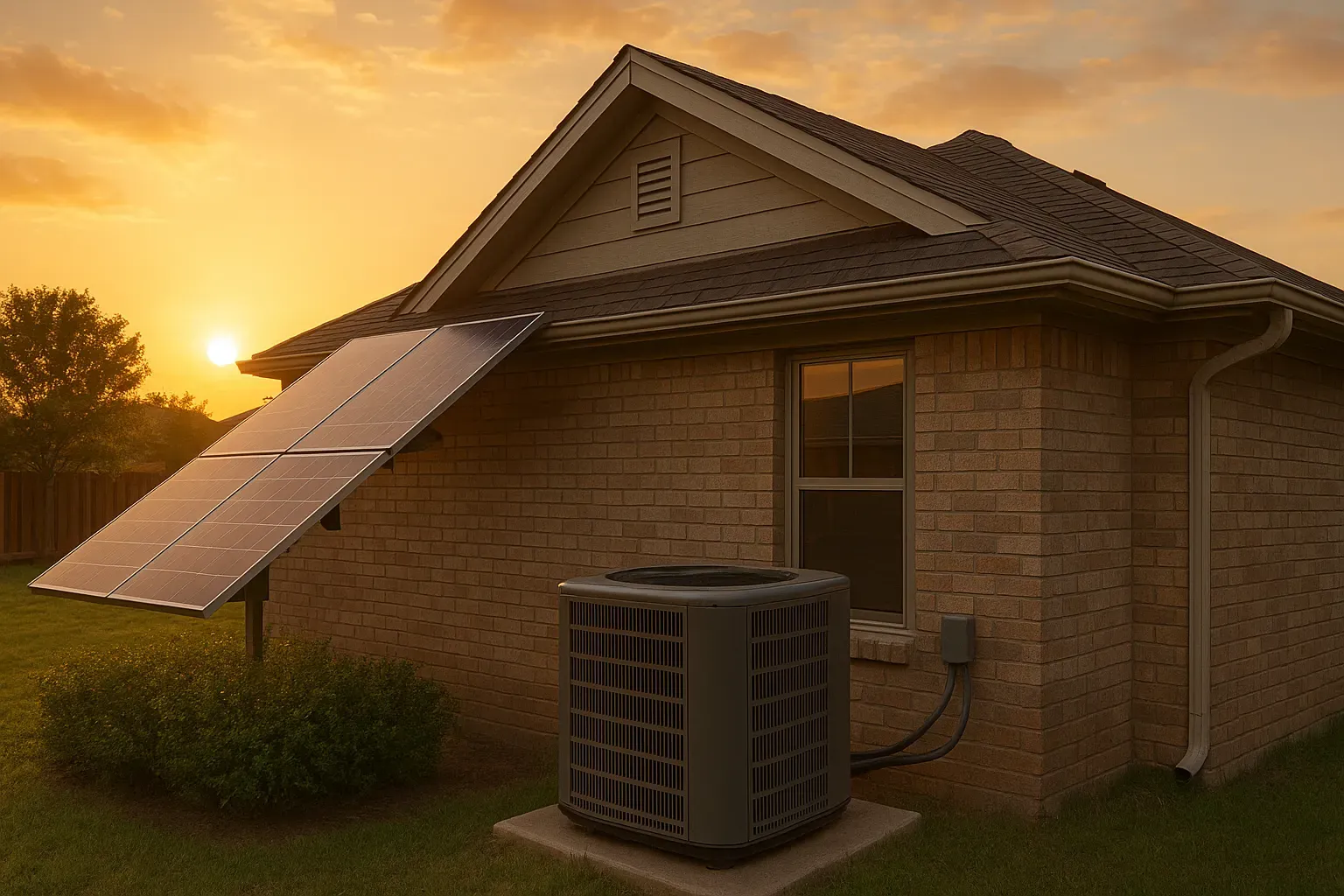
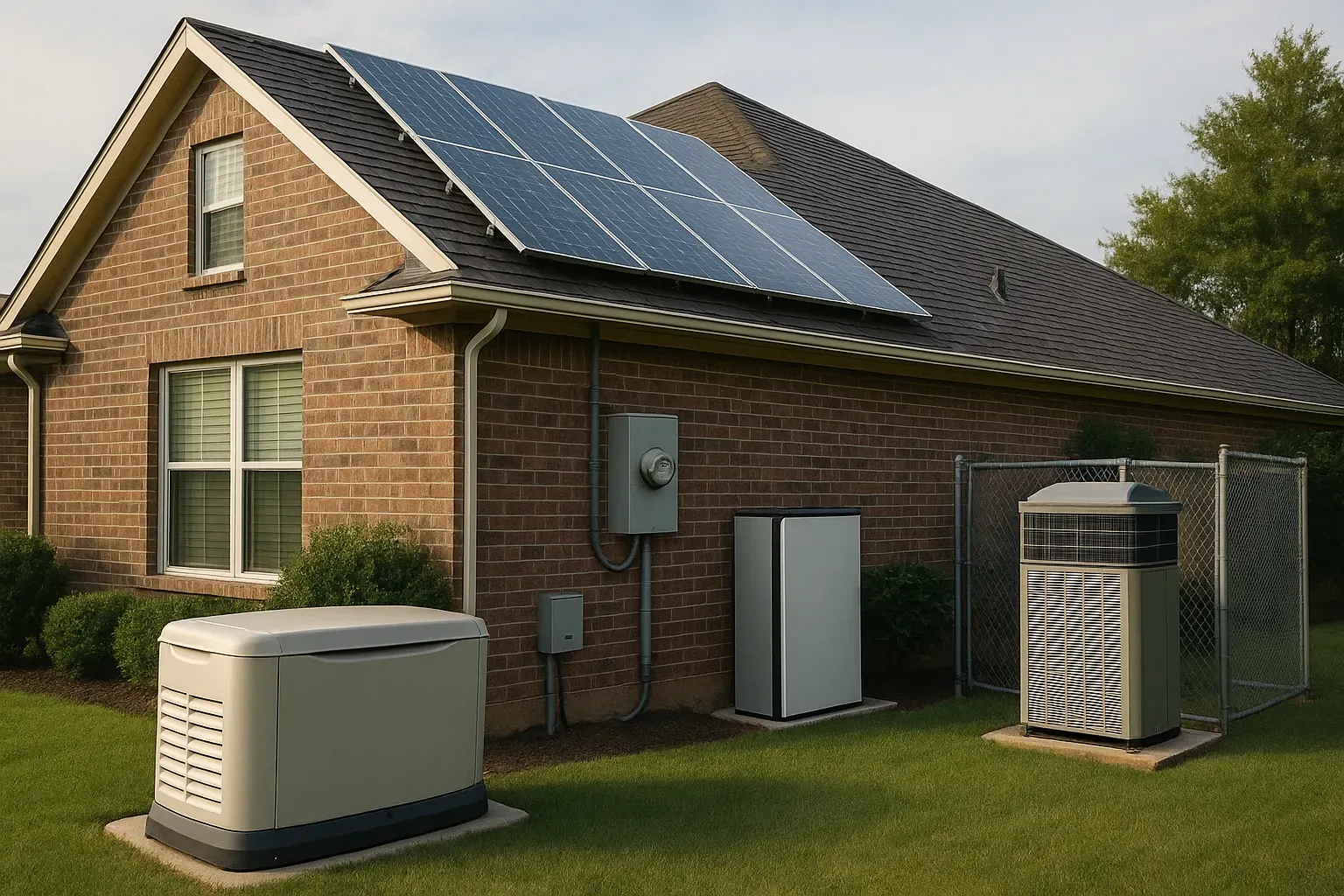
Texas Home Power Security: Private Grids, Solar & Backup Power Rising After Blackouts
28 min read